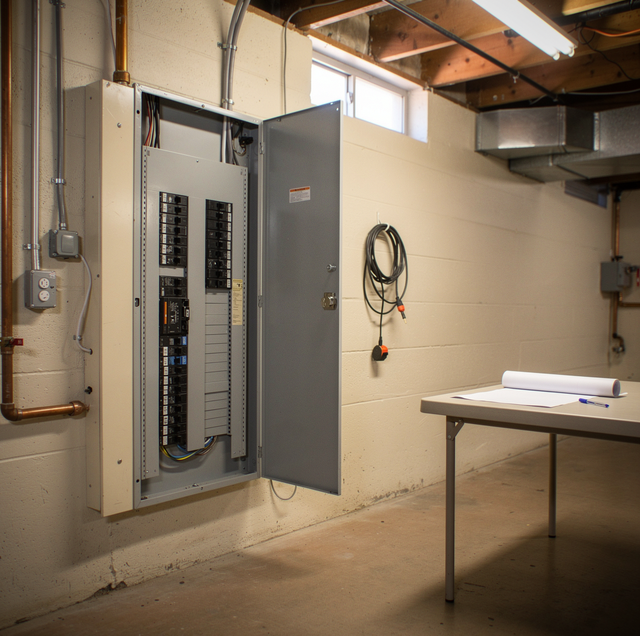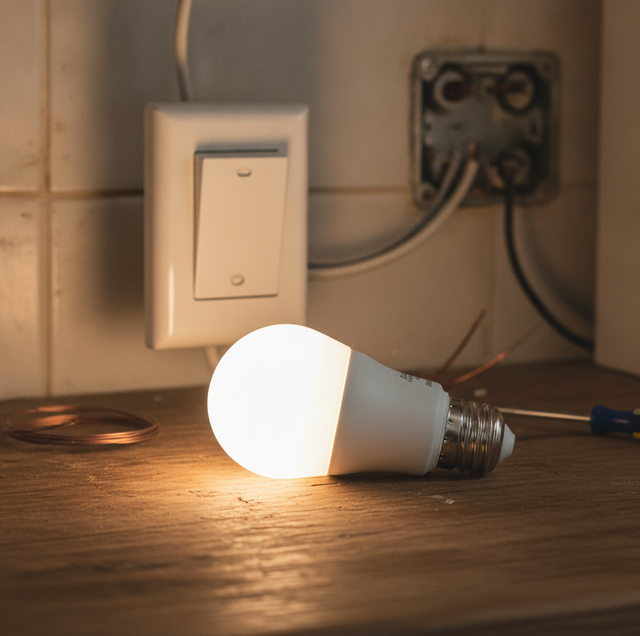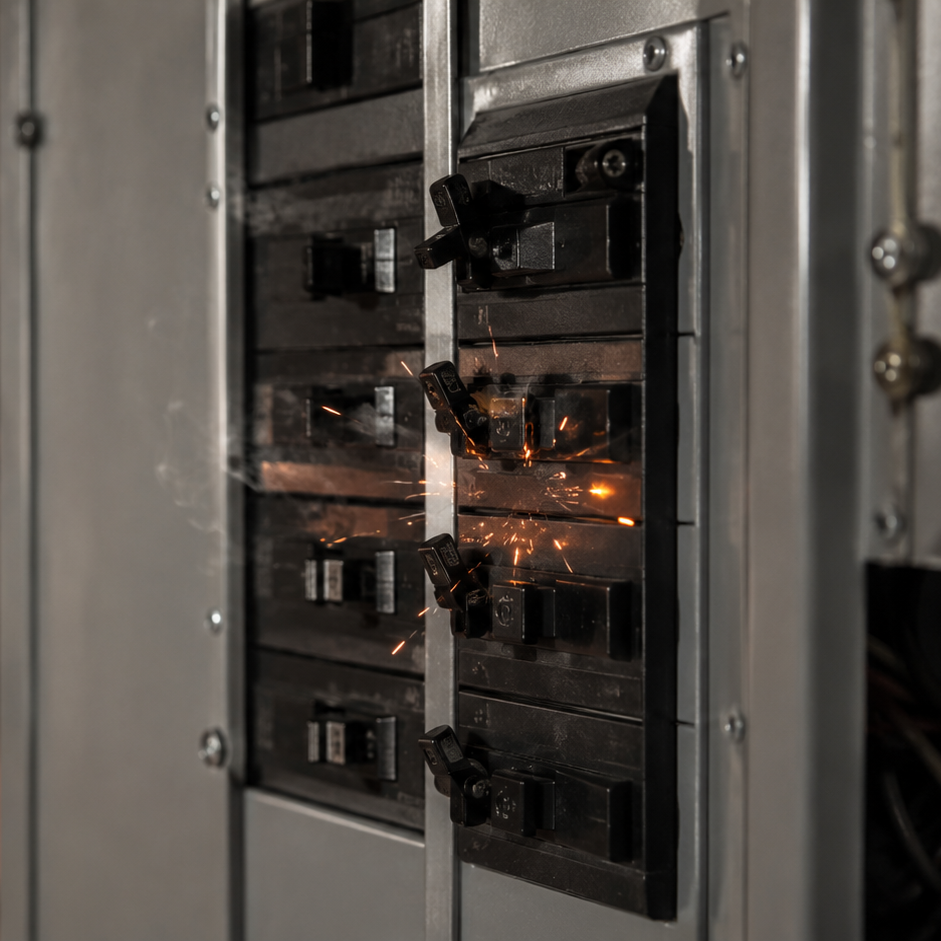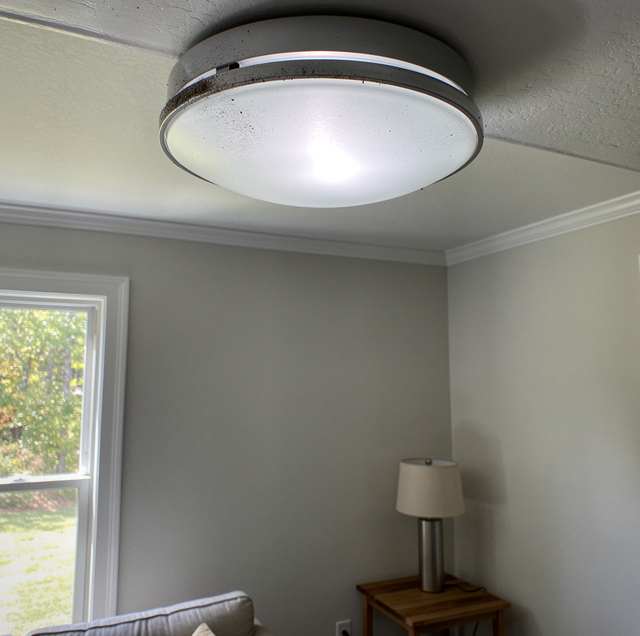
Lights that brighten and dim with nobody touching a switch can signal a failing service neutral. Learn which patterns are harmless and which need a call.
Read More
Lights that brighten and dim with nobody touching a switch can signal a failing service neutral. Learn which patterns are harmless and which need a call.
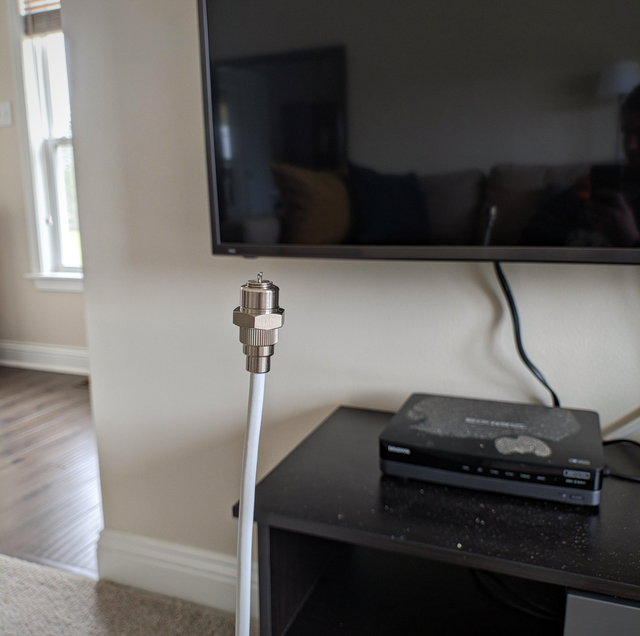
Read MoreA TV hum that stops the moment you unscrew the coax is a ground loop, not a dead speaker. See the test that proves it, the fix, and who may do it.
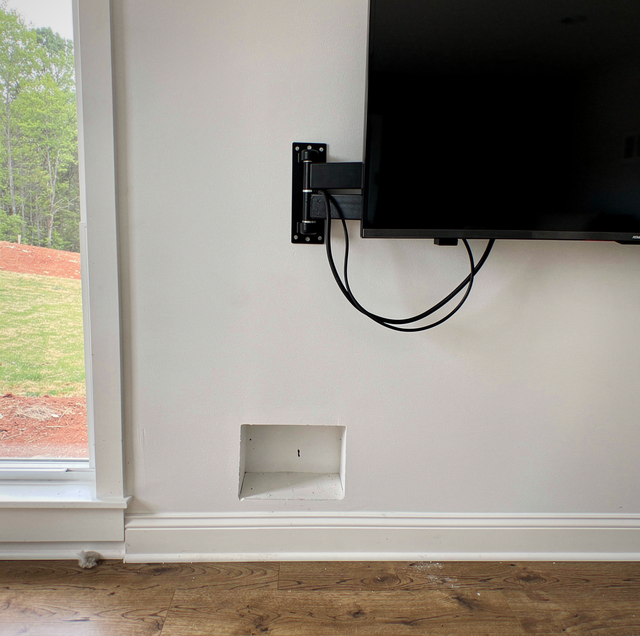
Read MoreA standard plug holds a mounted screen off the wall. See what a recessed box changes, and who should run the circuit behind it.
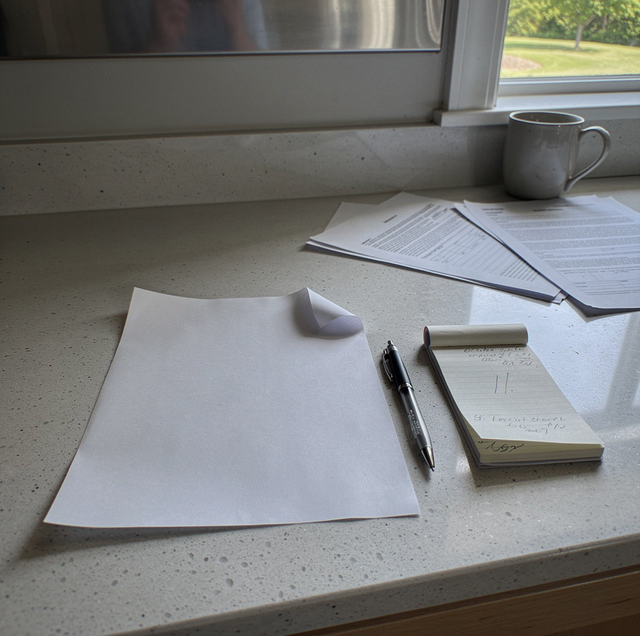
Read MoreTwo electricians can walk the same remodel and commit to entirely different work, and the difference sits in what each proposal names, circuit by circuit.
Read MoreA safety inspection sounds like it should be quick: someone walks through, flips a few switches, and hands you a clean bill of health. What actually happens is closer to a diagnostic exam than a walkthrough.
Read MoreYou walk past the hallway outlet and catch a faint smell, something like an overheated appliance or a plastic that's been sitting near a heater too long.
Read MoreMost addition projects start with a floor plan: Where the new bedroom goes, where the wall between old and new construction lands, where windows face. The electrical plan usually gets treated as an afterthought that happens once framing is up, which is exactly backward.
Read MoreA lot of homeowners picture "lighting control" as either a single smart switch bought off a shelf, or a full whole-house system with a control panel and a monthly app subscription, and assume there's nothing in between.
Read MoreCall the box on your garage wall a "charger," and you're only half right. It doesn't convert anything; the real conversion from AC power into something the battery can use happens inside the car itself, using hardware built into the vehicle.
Read MoreAluminum wiring is exactly what it sounds like: an electrical conductor made from aluminum instead of copper.
Read MoreA surge is a brief spike in voltage that pushes far above the roughly 120 volts your outlets normally deliver.
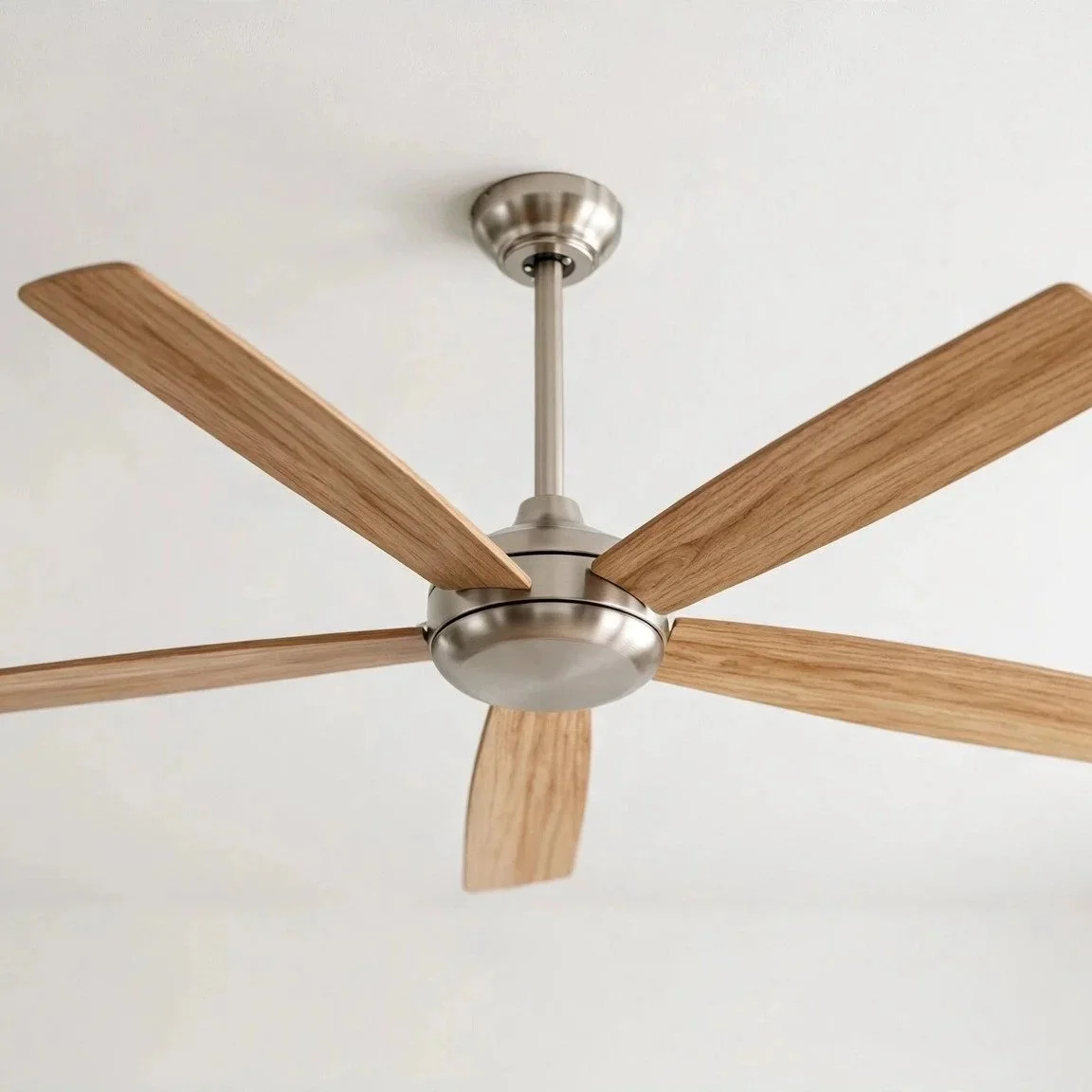
Read MoreA ceiling fan that shimmies overhead or hums through the evening feels like a machine coming apart, and most people assume the motor is failing.
Read MoreA single kitchen outlet can end up feeding a toaster, a coffee maker, a phone charger, and the microwave next door, all at once.
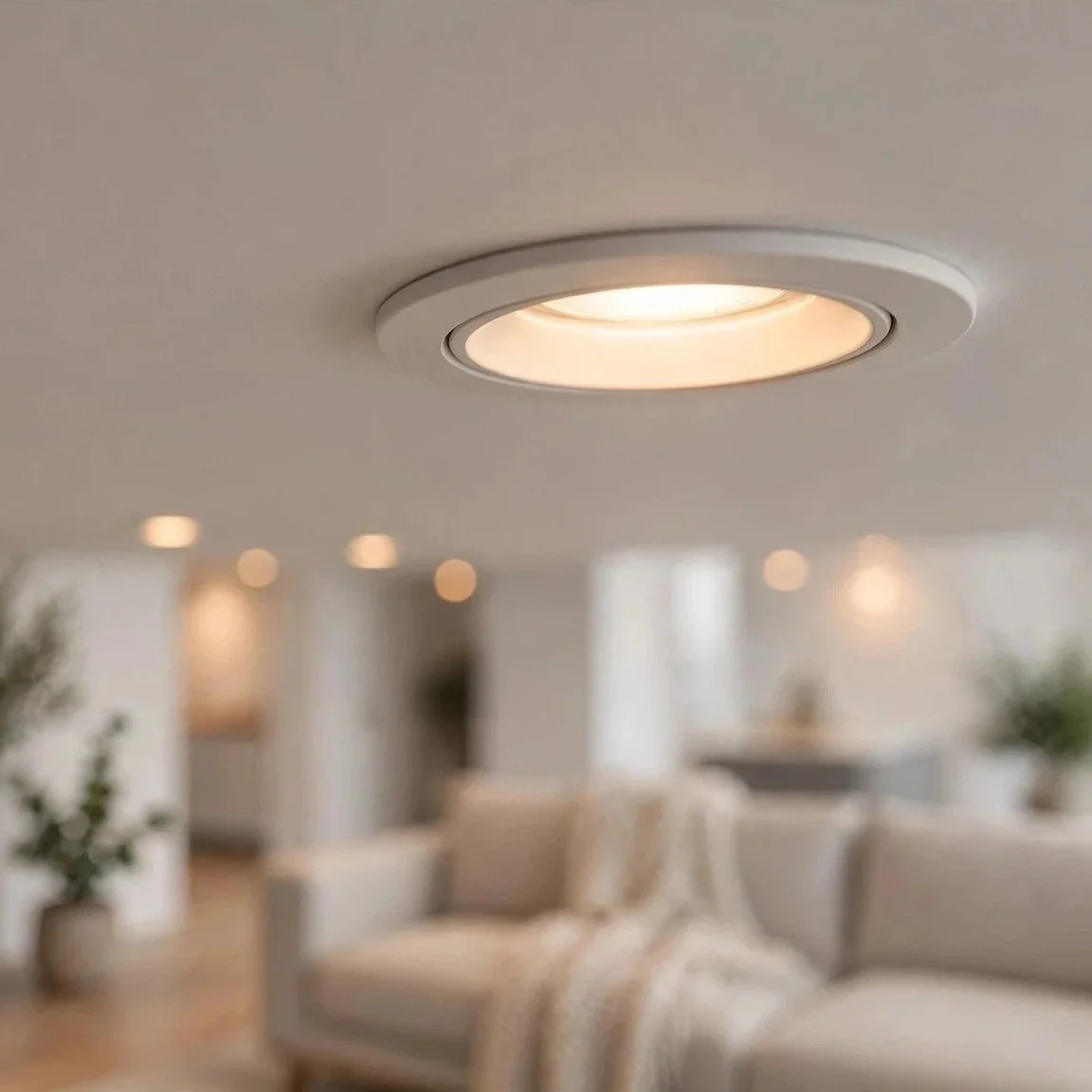
Read MoreRecessed lighting, often called can lights or downlights, installs into a housing set inside the ceiling so the trim finishes flush with the drywall.
Read MoreMost dimmers already in a home were built for incandescent bulbs. An incandescent draws a lot of power and dims by having its voltage trimmed back, so it tolerates a rough power signal without complaint. An LED does the opposite.
Read MoreElectricity leaves your panel on a breaker, travels through wire to a series of outlets, and returns. When the breaker is still on but an outlet is dead, the break in that path has happened downstream of the panel.
Read MoreEvery circuit in your home is a loop of wire protected by a breaker, and that pairing was designed around an expected load. A mid-century bedroom circuit was never meant to feed a home office.
Read MoreA remodel is a different animal. It changes what the electrical system does. New circuits get pulled, loads get calculated, the panel may need more room, and the finished work has to pass inspection before it is signed off.
Read MoreA GFCI, ground-fault circuit interrupter, solves a different problem with a different method. Inside it, a sensor continuously compares the current flowing out on the hot wire against the current returning on the neutral. In a healthy circuit, those two numbers match almost exactly.
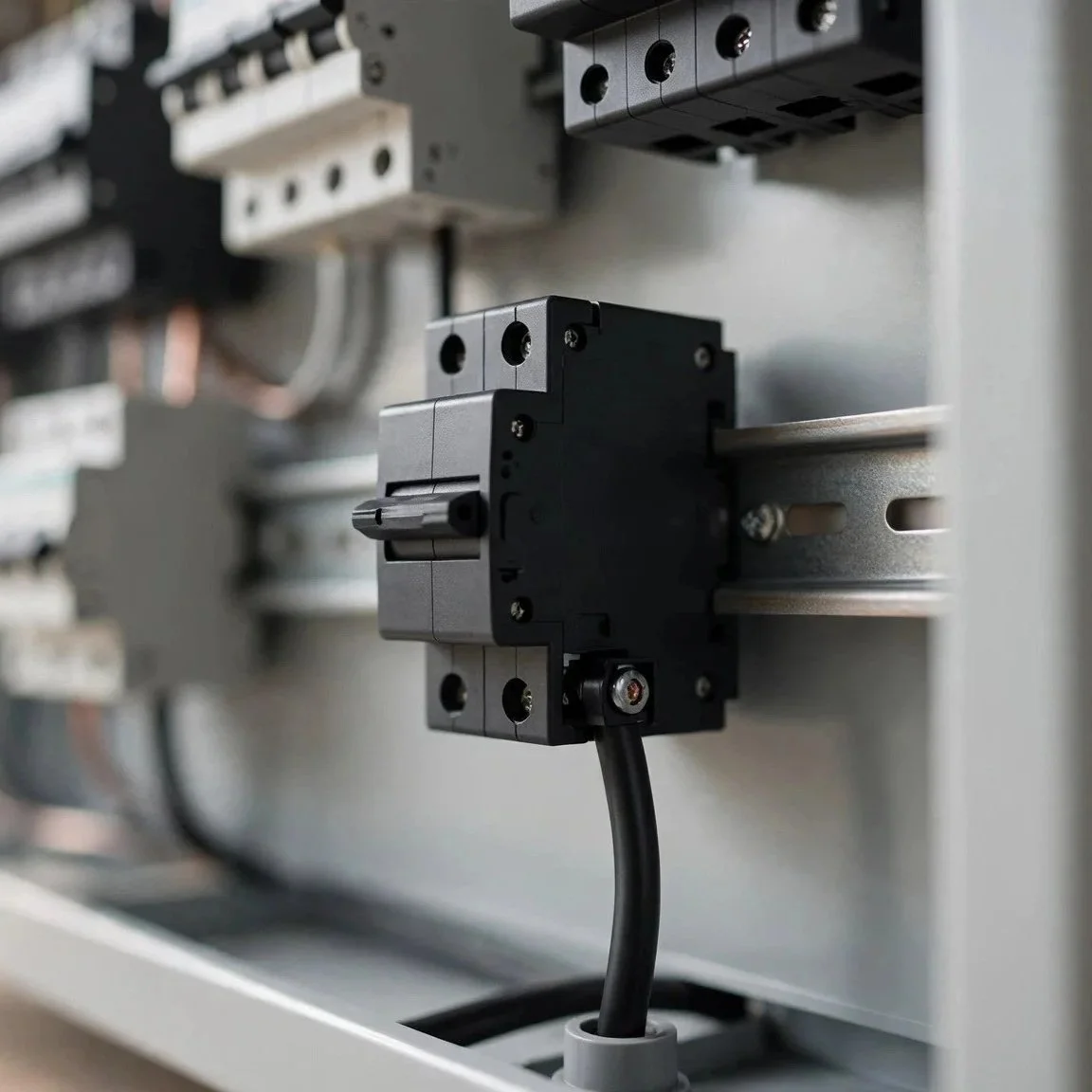
Read MoreA breaker's whole job is to stop the flow of electricity when something goes wrong — too much current, or current going somewhere it shouldn't. When it trips, it has detected one of those conditions and shuts the circuit off to prevent overheated wires, damaged devices, shock, or fire.
Read More