
What Is a Dedicated Circuit and Why It Matters
A single kitchen outlet can end up feeding a toaster, a coffee maker, a phone charger, and the microwave next door, all at once. Most of the time nothing goes wrong. Then someone starts the microwave while the coffee maker is brewing, the breaker snaps off, and the whole counter goes dark. That moment is usually a circuit telling you it is carrying more than it was built to carry, and it is often a sign that one of those appliances belongs on a dedicated circuit of its own.
QUICK ANSWER: A dedicated circuit is an electrical circuit that serves only one appliance or outlet, wired from its own breaker with its own conductors so nothing else draws from it. High-demand appliances like a refrigerator, microwave, electric range, dryer, or EV charger typically need one to avoid nuisance trips, overheating, and voltage drop.
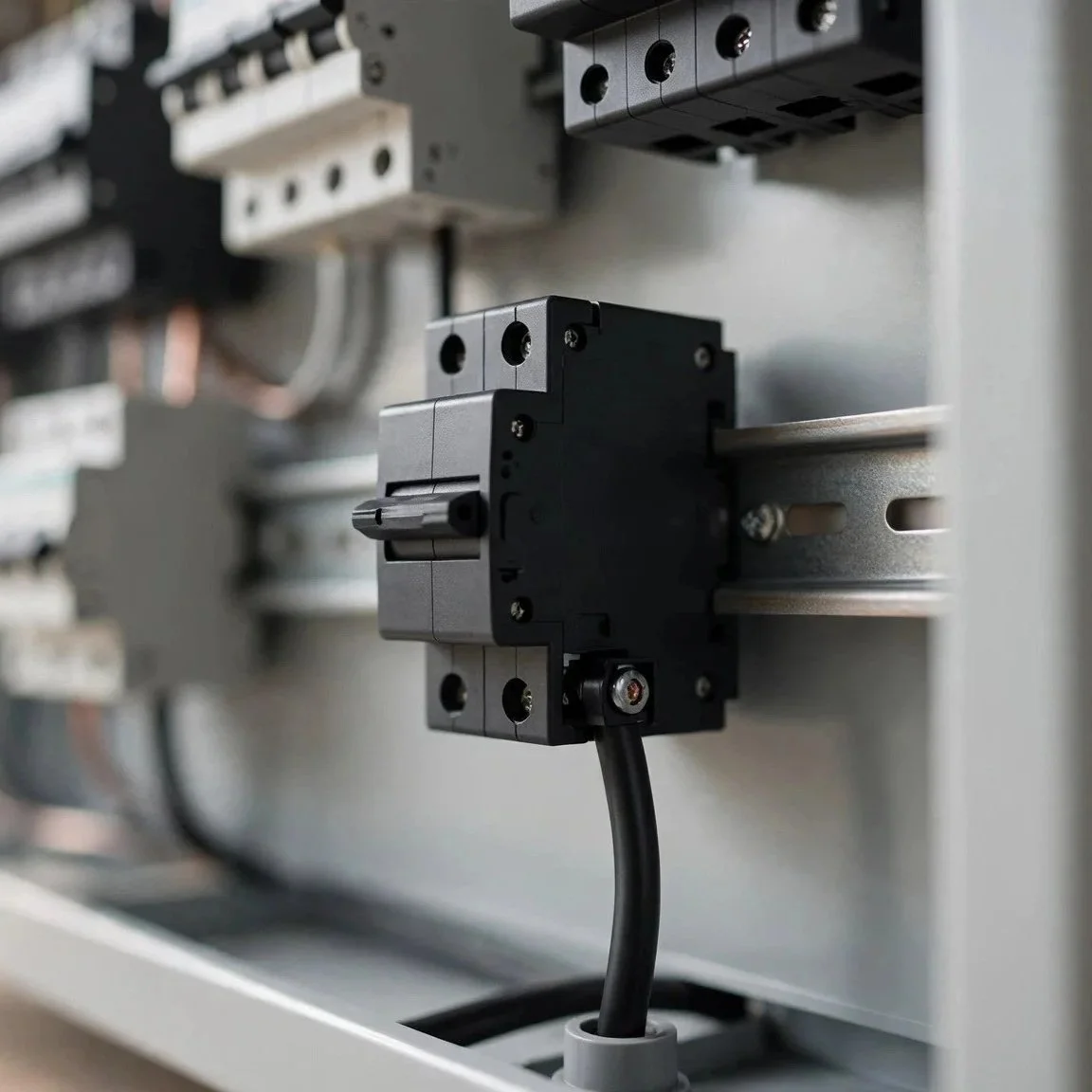
Shared Circuits Versus Dedicated Circuits
In a typical home, most outlets and lights share circuits. One breaker might feed every receptacle in two bedrooms, plus the hallway light, all on the same run of wire. That sharing is fine for phone chargers, lamps, and laptops, because those loads are small and rarely run at the same moment.
A dedicated circuit works differently. It runs from a single breaker in the panel, through its own wire, to one appliance or one outlet, and nothing else taps into it. The breaker, the conductors, and the receptacle are all matched to that one appliance's demand.
The difference matters most with high-draw appliances. Electrical wire and breakers have a fixed capacity, measured in amps. When a heavy appliance shares a circuit with other loads, the combined draw can push past what the wire was sized for. A dedicated circuit removes the competition. The appliance gets the full capacity of that circuit to itself, so it is not fighting a hair dryer or a space heater for the same headroom.
Three problems tend to show up on overloaded shared circuits, and a dedicated line addresses all three:
Nuisance Trips: When two heavy loads run together, and their combined current exceeds the breaker's rating, the breaker does its job and shuts off. That is not a fault; it is protection working. But if it happens repeatedly, the real fix is usually moving one appliance to its own circuit rather than living with the resets.
Overheating: Wire that carries current near or above its rated capacity for long stretches heats up. Over time, that heat degrades insulation and loosens connections at outlets and splices. A dedicated circuit sized for one appliance keeps the load within a safe margin.
Voltage Drop: A heavily loaded circuit can sag in voltage, especially at the far end of a long wire run. Motors and compressors dislike low voltage; they draw more current to compensate and run hotter. Giving a motor-driven appliance its own circuit keeps the voltage steady.
Which Appliances Usually Need a Dedicated Circuit
Not every device needs its own line. The ones that do share a common trait: they pull a lot of current, run for long periods, or cycle a motor or heating element on and off. Here are the appliances that most often call for a dedicated circuit:
Refrigerator: runs continuously and cycles a compressor, and you do not want it sharing a circuit that could trip and spoil the food inside.
Microwave: a built-in or over-range unit draws a heavy, sudden load when it starts.
Dishwasher: combines a motor with a heating element for drying.
Garbage disposal: a motor that stalls under load and spikes current.
Electric range and wall oven: among the largest loads in the house, almost always on their own high-capacity circuit.
Clothes dryer: an electric dryer pairs a big heating element with a motor.
Electric water heater: a large, steady heating load.
HVAC equipment: furnaces, air handlers, and central air condensers each typically get their own circuit.
EV charger: a Level 2 charger is one of the heaviest continuous loads a home can add.
Window air conditioner: a large unit can overwhelm a shared bedroom circuit.
Sump pump: a motor you never want sharing a circuit that might trip during a downpour.
Hot tub or spa: a large motor-and-heater combination.
Portable space heater: often the single biggest continuous load on a shared circuit, and a frequent cause of trips.
Home office: sometimes worth a dedicated circuit when a workstation, monitors, and equipment must stay powered without interruption.
The exact list of what is required versus merely recommended depends on the appliance, its rating, and the rules in effect where you live. A licensed electrician confirms which of your appliances need a dedicated line based on your panel and local requirements.
Warning Signs a Circuit Wants Its Own Line
Your home usually signals an overloaded circuit before anything fails outright. A few patterns are worth acting on:
A Breaker That Trips When Two Things Run: If the breaker holds fine until you start a second appliance, then trips, the circuit is carrying more than it was sized for. Resetting it again and again treats the symptom, not the cause.
Lights That Dim When a Motor Starts: A brief dip when the air conditioner, microwave, or refrigerator kicks on points to a voltage drop from a heavy startup surge sharing the circuit with your lighting. An occasional flicker on a very cold or very hot day is normal, but a consistent dim every time a specific appliance starts is worth investigating.
Warm Outlets, Plugs, or Cords: An outlet, plug, or cord that feels warm to the touch is carrying more current than it should, or has a loose connection heating up. This one is not a wait-and-see item. Warmth, buzzing, or any scorch mark at an outlet means stop using it and call an electrician promptly.
None of these signs should be diagnosed by trial and error at the panel. Behind that cover sits voltage that can injure or kill, and the fix often involves running new wire and adding a breaker, which is licensed work.
120-Volt and 240-Volt Dedicated Circuits
Dedicated circuits come in two broad types, and the right one depends on the appliance.
A 120-volt dedicated circuit uses a single breaker and serves appliances like a refrigerator, microwave, dishwasher, disposal, sump pump, or a window air conditioner. It looks like an ordinary outlet, but that outlet answers to one breaker and one appliance only.
A 240-volt dedicated circuit uses a double-pole breaker that spans two slots in the panel and delivers roughly twice the voltage. Big heating and motor loads rely on it: electric ranges and ovens, electric dryers, electric water heaters, central air conditioners, hot tubs, and most EV chargers. At the same power output, a 240-volt circuit moves less current than a 120-volt one would, which keeps wire sizes and heat manageable for large appliances. The receptacles look different too, with plug shapes matched to the appliance so a 240-volt device cannot be plugged into a 120-volt outlet.
Which voltage an appliance needs is set by the appliance itself. You cannot convert one to the other by swapping a plug; the circuit has to be wired and protected for the correct voltage from the panel outward.
Why Certain Appliances Are Required to Have One
Electrical rules single out specific appliances and require them to sit on a dedicated circuit rather than sharing. The reasoning is consistent: these loads are heavy, they run long, or a nuisance trip on a shared circuit could be more than an inconvenience, and isolating them protects both the equipment and the wiring.
The specific requirements vary by appliance type, load size, and the code edition and local amendments that apply where you live. Requirements also change over time, so a kitchen wired decades ago may not match what would be installed today. That is why the honest answer to "does my appliance legally need a dedicated circuit" is that a licensed electrician confirms it against the rules in force for your address. It is not a judgment call to make from a blog or an appliance manual alone.
Adding a Dedicated Circuit Is a Panel and Permit Job
Adding a dedicated circuit is not a plug-in upgrade. An electrician assesses whether the panel has a free slot and enough total capacity, selects the correct breaker and wire size for the appliance, runs the new conductors to the appliance location, installs the matching receptacle, and ties it all into the panel. In most areas, the work requires a permit and an inspection, which exists to confirm the installation is safe.
Do not run your own circuit from the panel, since the busbars carry lethal voltage even with the main breaker off in some designs, and errors stay hidden until they cause a fire. Never fix repeated trips by swapping in a larger breaker, because the breaker is sized to protect the wire behind it, and a bigger breaker lets that wire overheat before it ever trips. A warm outlet, buzzing, or any scorch mark means stop using it and call an electrician promptly.
Frequently Asked Questions
For an appliance near the panel, an electrician can often add a circuit in a few hours with minimal disruption. Longer runs, especially to a garage for an EV charger or upstairs to a bedroom, may require opening drywall to fish the wire, which adds time and a patch afterward. Ask for the route the wire will take before work starts.
By definition, no. A dedicated circuit serves one appliance or one outlet only, so the moment you add a second load it stops being dedicated. The one gray area is a single appliance with a paired accessory, such as a dishwasher and disposal that some installations combine on one circuit, but even that depends on their combined rating and local rules an electrician verifies.
No, those are protective devices, not a measure of dedication. A GFCI protects against shock and an AFCI against arcing faults, and either can sit on a shared or a dedicated circuit. An appliance can need both a dedicated circuit and one of these protections at the same time; they solve different problems.
A fridge compressor works harder against warmer ambient air and cycles more often, drawing more current over the day. On a shared circuit, that extra demand can tip it over the edge in warm months, while in cool months the same circuit holds. The seasonal pattern itself is a clue the fridge wants its own line, because the fix works year-round regardless of the weather.
An electrician checks two things: an open slot for the new breaker, and whether the panel's total rated capacity can absorb the added load. A panel can look full yet still have capacity, or look roomy yet be maxed out on total demand. If there is no room, a tandem breaker, a subpanel, or a service upgrade becomes part of the conversation.
They overlap but are not identical. A home run means a wire that runs straight from the panel to a single point without splicing to other outlets along the way. A dedicated circuit is a home run that also serves only one appliance. Every dedicated circuit is a home run, but a home run feeding a string of receptacles is not dedicated.