
What an Electrical Safety Inspection Actually Covers
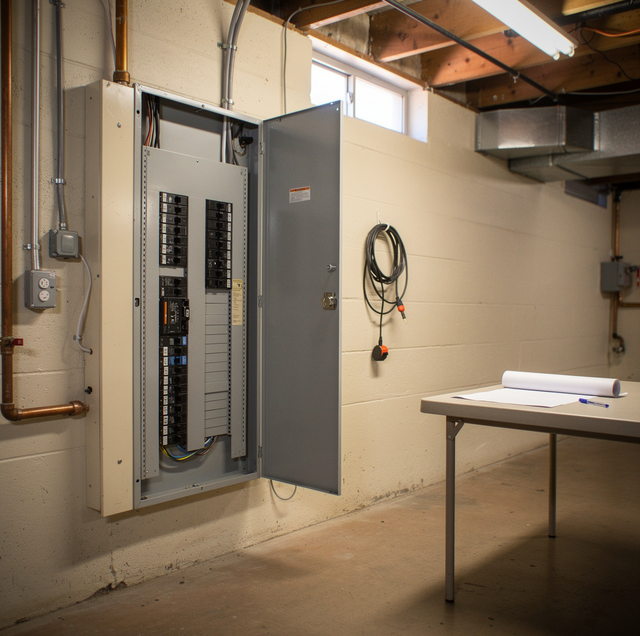
A safety inspection sounds like it should be quick: someone walks through, flips a few switches, and hands you a clean bill of health. What actually happens is closer to a diagnostic exam than a walkthrough. An electrician doing a proper inspection is opening covers, testing connections with instruments, and looking for the specific early warning signs that predict a failure months or years before it happens, not just checking whether the lights currently turn on.
Why "Everything Works" Isn't the Same as "Everything's Safe"
A circuit can power a lamp perfectly fine while a connection inside the wall is slowly overheating from a loose screw terminal. A GFCI outlet can look and feel identical whether its internal trip mechanism is functioning or has failed years ago. This is the core reason a visual walkthrough alone misses most real problems: the failures that matter are usually invisible until they've already caused damage or a shock hazard, which is why an inspection relies on testing instruments rather than just observation.
Inside the Panel: What Actually Gets Checked
The panel cover comes off, which most homeowners never see happen outside of an emergency. Inside, an electrician is looking for a specific set of issues:
· Double-tapped breakers: two wires landed under a single breaker terminal designed for one, which is a common shortcut from past electrical work and a frequent cause of loose, overheating connections since the terminal screw can't clamp two conductors evenly.
· Corrosion or discoloration on bus bars and lugs: a sign of past overheating even if the connection currently tests fine, since heat damage to copper doesn't reverse itself once it's occurred.
· Torque on breaker and lug connections: loose terminal screws are re-tightened to the manufacturer's specified torque value, since over-tightening can crack a lug just as easily as under-tightening can leave it loose.
· Breaker amperage matched to wire gauge: confirming, for example, that a 20-amp breaker is actually protecting 12-gauge wire and not a smaller gauge that was connected during a past repair without upsizing the breaker to match.
· Grounding and bonding continuity: verified with a continuity tester to confirm the ground path from the panel to the grounding electrode (typically a ground rod or water pipe connection) is intact, since a broken ground connection can go completely unnoticed during normal use.
Outlet and Switch Testing Goes Beyond "Does It Work"
Each outlet gets checked with a receptacle tester, a small plug-in device that reads the wiring pattern through its indicator lights. It catches problems a visual check can't, including open grounds (no ground connection at all, even though the outlet has a ground slot), reversed polarity (hot and neutral wires swapped, which can leave a lamp's metal shell energized even when it's switched off), and open neutrals. GFCI outlets get a separate test using the built-in test button, confirming the outlet actually trips and, just as important, that it resets properly afterward; a GFCI that won't reset is providing zero protection despite looking completely normal.
Wiring Condition Gets Assessed Room by Room
An inspector checks accessible wiring in attics, crawlspaces, and basements for damage: chewed insulation from rodents, wire staples driven too tightly (which can compress and damage the insulation over years), and any wiring that's been buried under insulation without the clearance inspectors look for to prevent heat buildup. In homes built before the 1970s, this is also where aluminum branch wiring gets flagged if present, since aluminum conductors expand and contract more than copper with temperature changes, gradually loosening standard connections not designed for that movement.
Junction Boxes and Splices Get Checked for Coverage
Every wire splice or junction, the point where two or more wires connect inside a box, should sit inside an accessible, covered box rather than buried loose behind drywall or insulation, a standard practice inspectors check for on every job. An inspector looks for junction boxes that were never given a cover plate, boxes that were painted over and effectively hidden, and any splice found floating in an attic or crawlspace with no box at all, which is a common finding after past DIY work like adding a light fixture or extending a circuit without properly boxing the connection.
Smoke and Carbon Monoxide Detector Interconnection
Interconnected smoke detectors are a widely recommended safety upgrade, meaning if one unit detects smoke, all units in the home sound simultaneously rather than only the one near the fire. An inspection tests this interconnection directly by triggering one detector and confirming the others respond, since a detector can pass its individual self-test button while still being wired incorrectly or having a dead backup battery that would prevent interconnection from working during an actual event.
What Gets Measured, Not Just Looked At
A clamp meter measures actual amperage draw on key circuits under normal household load, comparing it against what the circuit is rated to handle. This catches circuits running consistently close to their limit even though they've never technically tripped, which is useful information before an addition or a large new appliance pushes that circuit over the edge. Voltage is also checked at a sample of outlets, since a noticeably low reading can indicate a loose connection upstream on that circuit, even if every individual outlet looks fine.
Outdoor and Exterior Fixtures Get a Separate Look
Exterior outlets, light fixtures, and any junction boxes mounted outside are checked for the integrity of weatherproof covers, since a cracked or missing gasket allows moisture to reach connections that were never rated for direct exposure. Homes in humid climates or areas with heavy salt-air exposure near open water tend to show corrosion on outdoor fixture connections years before an equivalent indoor connection would show any wear, so an inspector checks for green or white corrosion buildup on exposed screws and connectors, not just whether the fixture currently lights up. Outdoor circuits are also confirmed to be on GFCI protection, as this protection is commonly recommended for exterior receptacles regardless of the home's wiring age.
The Written Report and Why Priority Levels Matter
A proper inspection ends with a written report, not just a verbal summary, and the findings are typically ranked by urgency rather than listed in the order they were found. An open ground at a single outlet in a rarely used room is treated differently from a double-tapped breaker feeding the kitchen, even though both are legitimate findings. This prioritization is what lets you address the items that carry real fire or shock risk first, and schedule cosmetic or lower-risk items, like a switch plate that's just loose, whenever it's convenient rather than treating every finding as equally urgent.
Frequently Asked Questions
Each outlet can be checked with a receptacle tester to identify wiring problems that may not be visible, including open grounds, reversed polarity, and open neutrals. GFCI outlets receive a separate test using the built-in test button to confirm that they trip correctly and reset properly afterward. These tests can identify issues even when an outlet appears to work normally.
Accessible wiring in areas such as attics, crawlspaces, and basements is checked for damaged insulation, overly tight wire staples, and wiring conditions that could contribute to heat buildup. In older homes, an inspection may also identify aluminum branch wiring if present, since older aluminum connections can loosen over time when standard connections are not designed for the conductor's expansion and contraction.
Wire splices and junctions should be contained inside accessible, properly covered electrical boxes rather than left loose behind drywall or insulation. An inspection can identify missing box covers, concealed or painted-over boxes, and splices that were left outside an electrical box, including connections from previous DIY electrical work.
An inspection can test the interconnection by triggering one smoke detector and confirming that the other interconnected units respond. This is important because an individual detector may pass its self-test while still having an issue with its interconnection wiring or backup battery. Properly functioning interconnected detectors allow multiple units to sound when one detects smoke.
A clamp meter can be used to measure actual amperage on selected circuits under normal household loads and compare the readings with the circuit's rating. Voltage may also be checked at sample outlets. These measurements can help identify circuits operating consistently near their capacity or unusually low voltage that may indicate a connection problem upstream.
Exterior outlets, light fixtures, and outdoor junction boxes are checked for weatherproof covers, damaged gaskets, moisture exposure, and signs of corrosion. Outdoor circuits are also checked for appropriate GFCI protection. Corrosion on screws, connectors, or fixture connections can indicate moisture exposure even when the fixture or outlet still appears to operate normally.
A proper electrical inspection should end with a written report documenting the findings and identifying which issues deserve the most immediate attention. Safety concerns such as conditions that create a significant fire or shock risk generally take priority over lower-risk issues, such as a loose switch plate. This prioritization helps homeowners address the most important electrical problems first while scheduling less urgent repairs when convenient.