
Flipping the Switch on Circuit Troubles
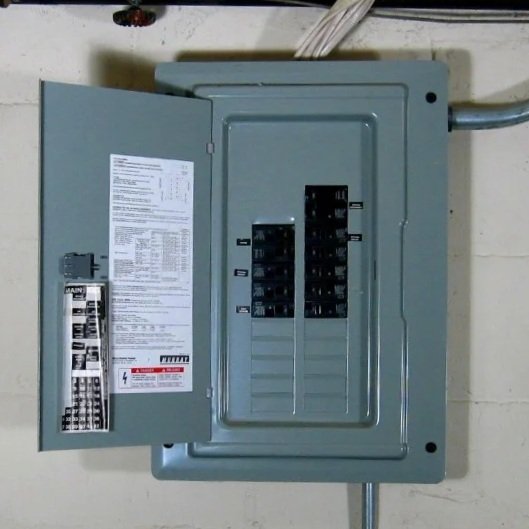
Circuit breaker repair steps in as the unsung hero, quietly restoring harmony behind the scenes and keeping homes from spiraling into chaos over a tripped switch.
Life runs on electricity, and nothing halts the rhythm faster than a circuit breaker acting up. Flickering lights, half-dead outlets, and mysterious power losses turn everyday moments into head-scratching puzzles. Circuit breaker repair steps in as the unsung hero, quietly restoring harmony behind the scenes and keeping homes from spiraling into chaos over a tripped switch.
When circuits go haywire, so do routines. Coffee machines stop mid-brew, chargers blink in protest, and microwaves freeze mid-spin. The breaker panel sits there like a stern librarian—ready to help, but not much for conversation. That’s where expert diagnosis and repair work their magic, cutting through confusion with precision and a little professional finesse.
Recognizing the Early Clues
Circuit issues rarely appear with a grand entrance. More often, they sneak in. Lights dim when appliances run. Breakers trip repeatedly for no apparent reason. Certain outlets might feel warmer than they should. Ignoring those signs turns minor annoyances into serious hazards.
Spotting those patterns helps electricians diagnose the root cause before it escalates. A kitchen circuit is overloaded with too many high-demand gadgets. Maybe an old breaker just isn’t responding the way it used to. Each clue adds to the bigger picture, helping guide repairs that fix more than just symptoms.
Breakers That Have Seen Better Days
Like everything else in a home, breakers age. Years of wear take their toll, especially when the household load has increased without a matching electrical upgrade. Older panels often contain parts that no longer meet current safety standards, and some brands have a reputation for unreliability.
A faulty breaker might trip too easily—or not at all when it should. Repairing or replacing those outdated components restores safety and confidence, giving the panel a fresh lease on life. When breakers stop guessing and start working properly, everything downstream runs more smoothly.
The Dreaded Mystery Trip
Few things confuse homeowners more than the circuit that trips for no obvious reason. Maybe it happens when the vacuum and toaster run at the same time. Maybe it trips in the middle of the night. Either way, the source hides in plain sight, frustrating even the most patient troubleshooting efforts.
Electricians approach these mysteries with methodical testing. Circuits get checked for overload, short circuits, and grounding issues. Every switch, outlet, and appliance along the line plays a role. Once the culprit emerges, repair becomes straightforward—and the guesswork disappears.
Overloaded Circuits and Everyday Demands
Homes weren’t always wired for modern life. The average kitchen didn’t used to need power for coffee makers, air fryers, microwaves, and charging docks—all at once. Bathrooms weren’t filled with grooming tools and smart mirrors. Basements weren’t packed with gaming systems and treadmills.
When a single circuit carries too much demand, it buckles under the pressure. Breakers trip to protect the system, but the real solution lies in redistributing the load. Electricians can reroute circuits, add new breakers, and provide enough support for a lifestyle that runs on more devices than ever before.
Loose Connections Behind the Scenes
Sometimes, it’s not the breaker that’s to blame—it’s what connects to it. Wires can loosen over time, especially in older panels. Poor connections create heat, and heat leads to bigger problems: buzzing sounds, a faint burning smell, or visual signs of scorching signal immediate need for attention.
Repairing those connections involves more than just tightening a screw. Electricians inspect the entire system, verifying that conductors, lugs, and terminals meet code and handle the expected load. Once secured and tested, circuits regain stability, and peace of mind returns.
Breaker Panels That Deserve a Promotion
In some cases, circuit breaker repair turns into a bigger conversation about the panel itself. Outdated fuse boxes, overcrowded breaker panels, and undersized service all hold homes back from reaching their potential. Adding more circuits without upgrading the panel only creates short-term fixes for long-term issues.
When the panel no longer fits the home’s needs, an upgrade steps in with better capacity, safer materials, and space for future expansion. The result is a cleaner layout, smarter energy flow, and a system ready to support modern demands without hesitation.
Short Circuits That Hide in Shadows
Short circuits love to lurk where they’re least expected. A single nicked wire or damaged outlet can send too much current along the wrong path, causing breakers to trip instantly. While that might feel like a nuisance, it’s also a critical safety feature doing exactly what it should.
Tracking down a short circuit takes time, especially in older homes with layers of history behind the walls. Electricians trace each circuit leg, checking for exposed wires, moisture issues, or damaged components. Once repaired, the circuit returns to its normal rhythm—without the dramatic blackouts.
Ground Faults That Trigger Fast
Bathrooms, kitchens, garages, and outdoor spaces carry unique risks. Ground fault circuit interrupters (GFCIs) protect against shock by detecting imbalances and shutting off power fast—sometimes before anyone realizes what happened. But when those outlets trip too often or fail to reset, they need attention.
Electricians inspect GFCI outlets and the circuits feeding them. Sometimes moisture intrusion or a damaged appliance triggers them. Other times, the GFCI outlet itself needs to be replaced. After repair, these critical safety components return to their job of quietly protecting the home with zero drama.
Repair Over Replacement—When It Makes Sense
Not every issue calls for a total overhaul. Circuit breaker repair can often breathe new life into aging panels without a complete replacement. Swapping out a single faulty breaker, tightening connections, or redistributing load solves many common problems.
Electricians know when repair makes sense and when an upgrade becomes the smarter long-term move. Clear explanations and honest assessments help homeowners make decisions based on both safety and budget, without pressure or confusion. A well-executed repair often delivers just the right fix—clean, reliable, and built to last.
Better Circuits, Happier Appliances
When circuits work properly, appliances work better. Refrigerators hum along without dimming the lights. Washers and dryers finish cycles without popping breakers. Chargers do their job quietly. The entertainment system stops rebooting after every microwave session.
Strong electrical infrastructure supports the entire household. Circuit breaker repair plays a key role in that foundation, preventing disruptions before they start. The ripple effect reaches every corner of the home, creating stability where it matters most.
Quiet Confidence Behind Every Switch
Few things feel better than flipping a switch and knowing exactly what will happen. No flicker, no pause, no tripped breaker waiting around the corner. Circuit repair builds that confidence, one breaker at a time.
The panel no longer feels like a mystery box. It becomes part of the home’s rhythm—a quiet partner in every daily routine. With the right repair work, everything clicks into place. Lights shine brighter. Devices behave. And the hum of well-balanced circuits runs like a background melody no one wants to stop.
Trust the licensed, bonded, and insured electricians for top-quality residential electric services in Redondo Beach, CA. We specialize in providing general electrical services, electrical remodeling, circuit breaker repair, and electric panel installations. Don’t settle for less when it comes to your home’s safety and power. Call now for fast, reliable service. Call now for fast, reliable service—24/7 availability means we’re always ready when you are!